Non-forest ecosystem conversion
Non-forest natural ecosystems are crucial to climate, nature, and people around the world, but are under threat from conversion to other uses and degradation. The AFi is working to better define, map, and protect non-forest ecosystems as well as ecosystem conversion.
Non-forest ecosystems are vital
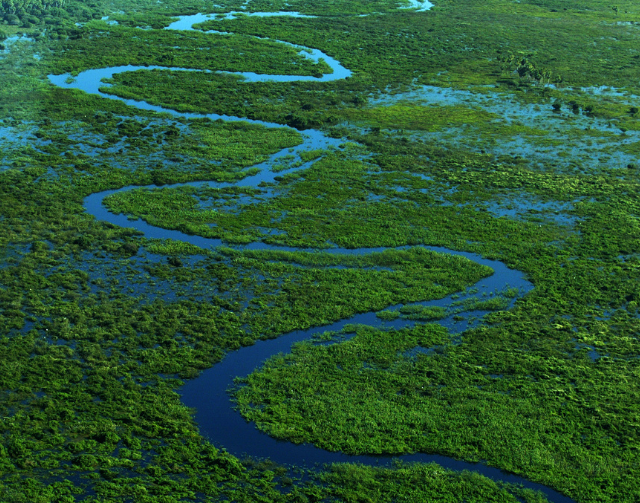
Non-forest natural ecosystems, such as grasslands, shrublands, and savannahs are vitally important to biodiversity, global carbon stocks, and the livelihoods of billions of people around the world. Despite increasing recognition of the importance of non-forest ecosystems, they are being converted and degraded rapidly, with losses exceeding that of forests in many countries.
To date, there has been insufficient knowledge regarding how to define, map, and protect non-forest ecosystems. This has made it hard for companies to prevent conversion in their supply chains. This hinders the ability of companies to implement commitments around no-conversion as recommended by Core Principle 1 of the Accountability Framework, as well as to account for and reduce land use change emissions as part of corporate climate target setting.

How the AFi is helping
To address these challenges, the AFi has worked with several partners, including AFi Coalition member World Resources Institute (WRI), on a new project to learn more about non-forest ecosystems.
The workstream is improving understanding, definitions, and guidance related to commodity sourcing in non-forest natural ecosystems. This has included convening experts, engaging deeply in key geographies with high levels of commodity driven conversion, and conducting cutting-edge research.
Find out more about this workstream with the resources below.
Identifying the importance and threats to non-forest ecosystems
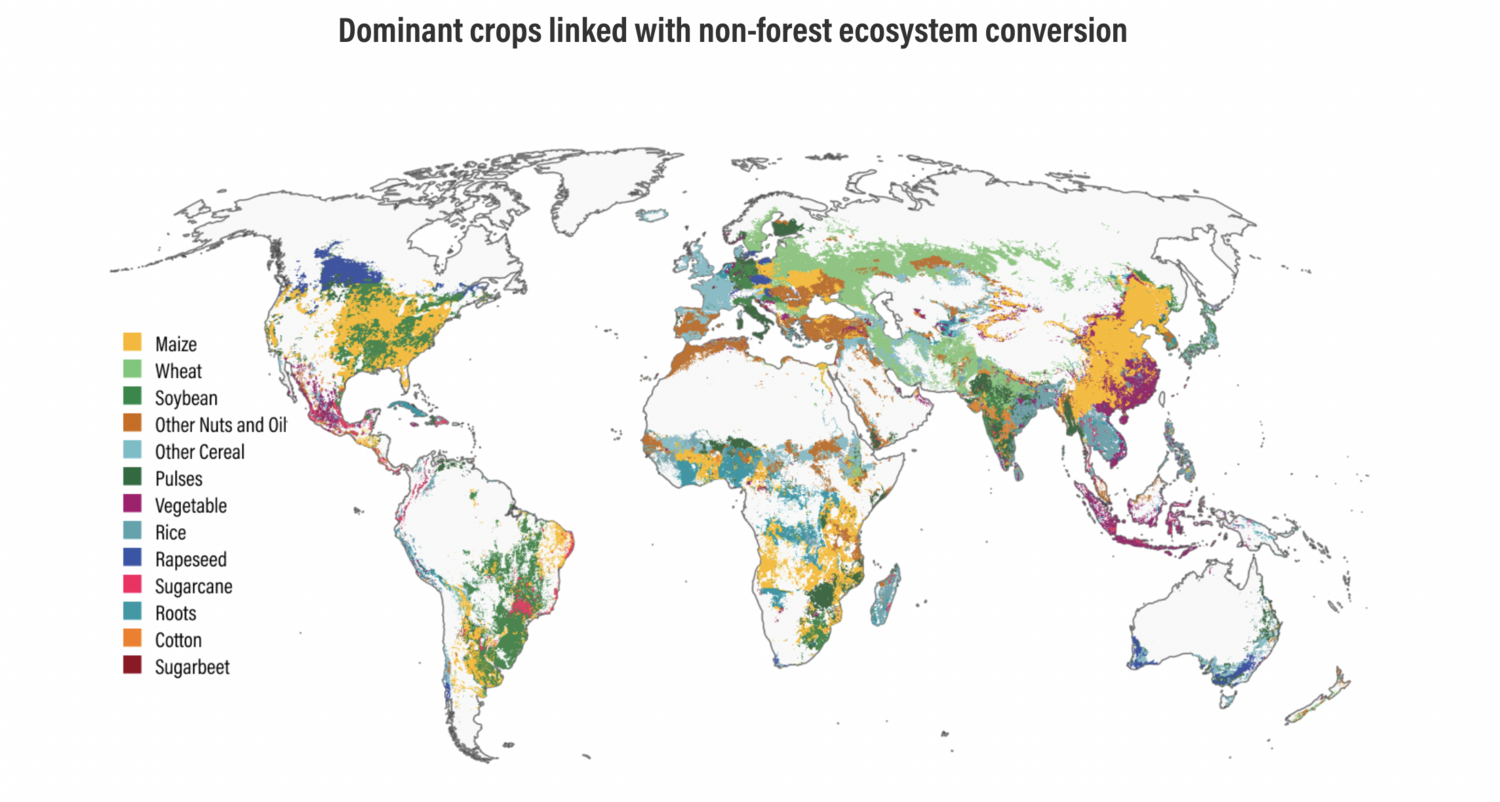
To highlight where non-forest ecosystems are most threatened by commodity expansion, the AFi is working with partners to identify areas with a high level of conversion risk. To demonstrate why non-forest ecosystems matter and highlight where they are most at risk, the AFi is working with partners to identify areas with a high level of conversion risk, along with potential impacts on biodiversity and carbon if these landscapes are lost.
- Identifying global hotspots of agricultural expansion into non-forest ecosystems. Kan, S., Meng, J., Persson, U.M. et al. Nature Communications, 16, 10739 (2025).
- Identifying conversion hotspots linked to agriculture (Blog on the AFi website about the above research paper.)
- Overlooked and overexploited: Extensive conversion of grasslands and wetlands driven by global food, feed, and bioenergy demand. S. Kan, S.A. Levy, E. Mazur, L. Samberg, U.M. Persson, L. Sloat, A.L.R. Segovia, L. Parente, & T. Kastner. Proc. Natl. Acad. Sci. U.S.A. 123 (9) e2521183123 (2026).
- Agriculture Is Taking Over Grasslands, Wetlands and Other Overlooked Ecosystems (World Resources Institute Insights blog, 2026. See map below.)
Global and regional collaboration to define non-forest natural ecosystems
To help clarify how to put the Accountability Framework’s definitions into practice (especially those related to natural ecosystems and conversion), the AFi has been working closely with stakeholders in key regions where non-forest ecosystems face higher conversion risks.
- Bridging global goals and regional realities in Colombia
- Improving definitions of non-forest ecosystem conversion through regional engagement in North and South America
- Cutting edge science to define, map, and protect non-forest ecosystems
- Addressing non-forest ecosystem conversion in Australia through collaboration
- Clarifying the difference between natural ecosystems and agricultural use
Improved maps to identify non-forest natural ecosystems and their conversion
To help companies and other stakeholders track conversion within their supply chains, the AFi has been collaborating with several projects focused on mapping and monitoring non-forest natural ecosystem conversion to align these new tools with our broader efforts.
Frequently asked questions (FAQs)
Why should a company that has already committed to no-deforestation also monitor and prevent the loss of other ecosystems?
Non-forest ecosystems are vitally important for climate, nature, and people around the world. As with forests, converting non-forest ecosystems presents a risk for businesses.
Which areas around the world are most at risk of commodity driven non-forest ecosystem conversion?
The conversion of non-forest natural ecosystems to other uses is a global issue. However, the AFi and WRI’s project has found some areas experiencing particularly high levels of conversion linked to agricultural and forestry commodities. These areas include the Australian grasslands and savannahs (such as the Michell Grass Downs and Brigalow Savannahs), the Cerrado, the Great Plains of North America, and the Pampas and Llanos of South America.
Why did the AFi choose to have workshops in Australia, Brazil, Colombia, and the USA?
The AFi and WRI co-hosted workshops with local stakeholders in Australia, Brazil, Colombia, and the USA as these ecosystems were identified as having both high levels of conversion and strong links between conversion and agricultural and forest commodity expansion. Workshops were held in these locations to better understand conversion dynamics in these critically important and threatened regions.